How to Turn Website Visitors Into Paying Customers
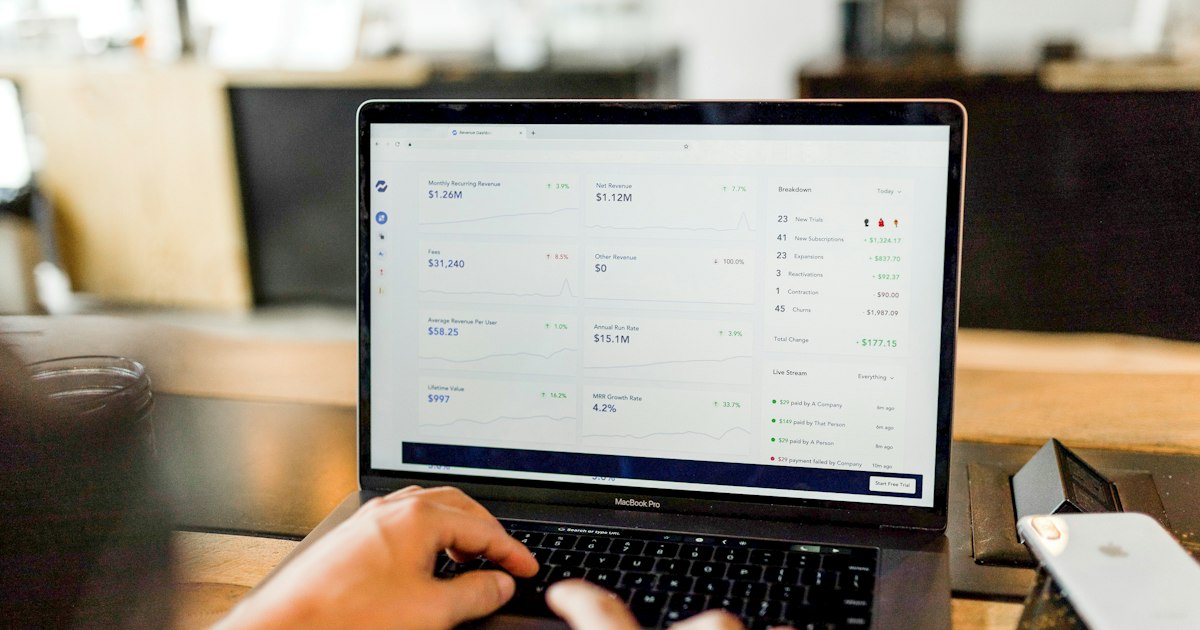
Conversion optimisation is not a collection of tricks. The website has to move a qualified visitor through a sequence: recognise the problem, understand the offer, believe the business, see value and complete a next step with acceptable friction. This guide provides a practical framework for turning more of the traffic you already have into leads or customers without assuming every visitor should convert immediately.
Table of Contents
- Not Every Visitor Should Become a Customer
- Build Pages Around Buyer Questions
- Reduce Friction Without Removing Useful Qualification
- Traffic Quality and Intent
- Mobile Experience
- Technical Reliability and Performance
- Trust and Proof
- CTA and Conversion Path
- Analytics and Attribution
- SEO and Internal Linking
- Conversion Optimisation Is an Iterative System
- What to Fix First
- 30-Day Recovery Plan
- When a Full Redesign Makes Sense
- Final Takeaway
- Start With Audience Quality
- Make the Offer Easy to Explain
- Use Proof That Mirrors the Visitor
- Answer Commercial Questions Before the CTA
- Reduce Mobile Friction
- Make the Next Step Predictable
- Follow Up Quickly and Consistently
- Use Retargeting and Email as Supporting Layers
- Build a Conversion Improvement Backlog
- Final Customer Principle
- Use Customer Research Before CRO Tools
- Build a Clear Content Hierarchy
- Use Comparison Pages Honestly
- Reduce Risk Near the Point of Action
- Improve Onboarding After Conversion
- Personalisation Should Follow Evidence
- Build Trust Before Urgency
- Final Conversion System
- Use a Clear First-Visit and Return-Visit Strategy
- Use Email Capture When It Creates Real Future Value
- Reduce Choice Overload
- Use Social Proof at Decision Points
- Test the Experience After the Form or Purchase
- Closing Principle
- Use Customer Objections to Sequence Content
- Improve the Offer Before Optimising Scarcity
- Create a Conversion Dashboard Small Enough to Use
- Build Learning Into the Website
- Closing Implementation Rule
- Use Friction Budgets
- Review Conversion by Customer Segment
- Final Customer Check
- Closing SEO Note
- Final Implementation Note
- Closing Principle
- Final SEO Standard
- Frequently Asked Questions
Diagnostic Framework
| Stage | Website job |
|---|---|
| Attract | match the right intent |
| Orient | explain what/who/why |
| Educate | answer decision questions |
| Prove | reduce risk with evidence |
| Act | clear CTA / product action |
| Complete | low-friction form/checkout |
| Follow up | confirmation and sales/service process |
Not Every Visitor Should Become a Customer
A healthy site attracts people at different stages. Some are researching, comparing or verifying the business. The goal is to help each qualified visitor take an appropriate next step, not pressure everyone into the same form.
Define conversion by page type and funnel stage.
Build Pages Around Buyer Questions
Service pages should answer fit, scope, process, proof and next step. Ecommerce pages should answer product, variant, delivery, returns and trust. Decision-stage articles should compare options honestly.
When the page answers real objections, the CTA feels like a continuation rather than an interruption.
Reduce Friction Without Removing Useful Qualification
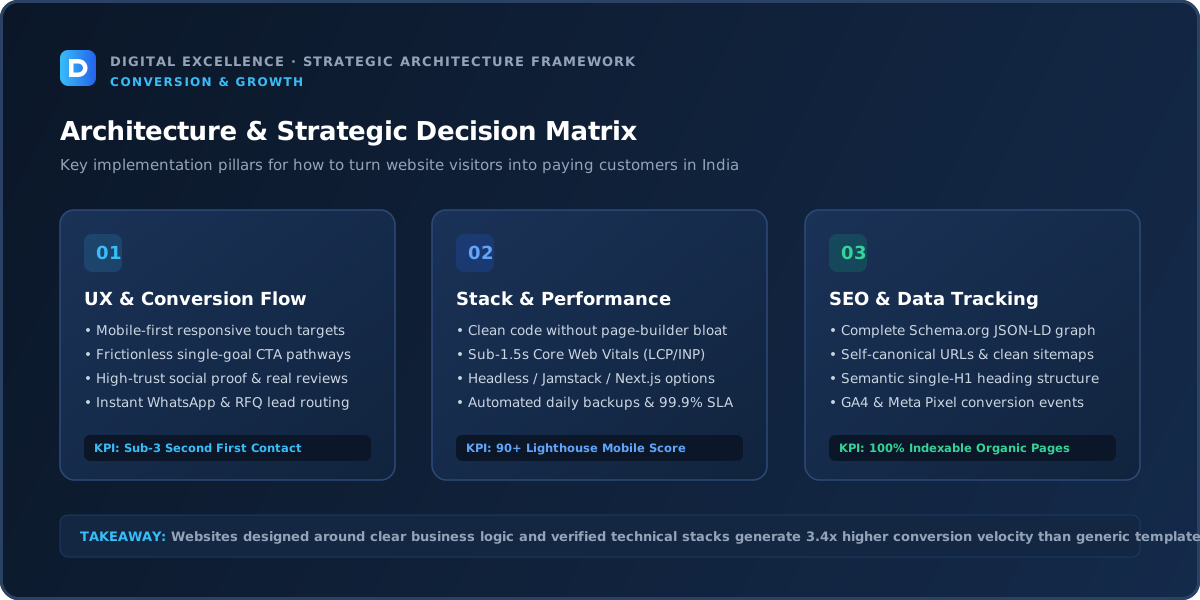
Shorter forms can increase volume, but high-value services may need qualification. Guest checkout can reduce ecommerce friction, but some business models require accounts.
Optimise friction relative to the value and next step instead of following a universal rule.
Traffic Quality and Intent
Conversion starts before the website. Search targeting, ads, social content and referrals determine who arrives. Improve acquisition quality alongside on-site UX.
Mobile Experience
A practical way to use mobile experience here is to ask whether it changes qualified conversion for “how to turn website visitors into paying customers”. If the answer cannot be measured or observed, keep it behind higher-confidence fixes.
Review the primary journey at common phone widths. Check content priority, forms, sticky elements, buttons, page weight and whether key information is buried below decorative sections. Compare mobile and desktop within the same acquisition source when possible.
The mobile version should be intentionally designed rather than a compressed desktop layout.
Technical Reliability and Performance
A practical way to use technical reliability and performance here is to ask whether it changes qualified conversion for “how to turn website visitors into paying customers”. If the answer cannot be measured or observed, keep it behind higher-confidence fixes.
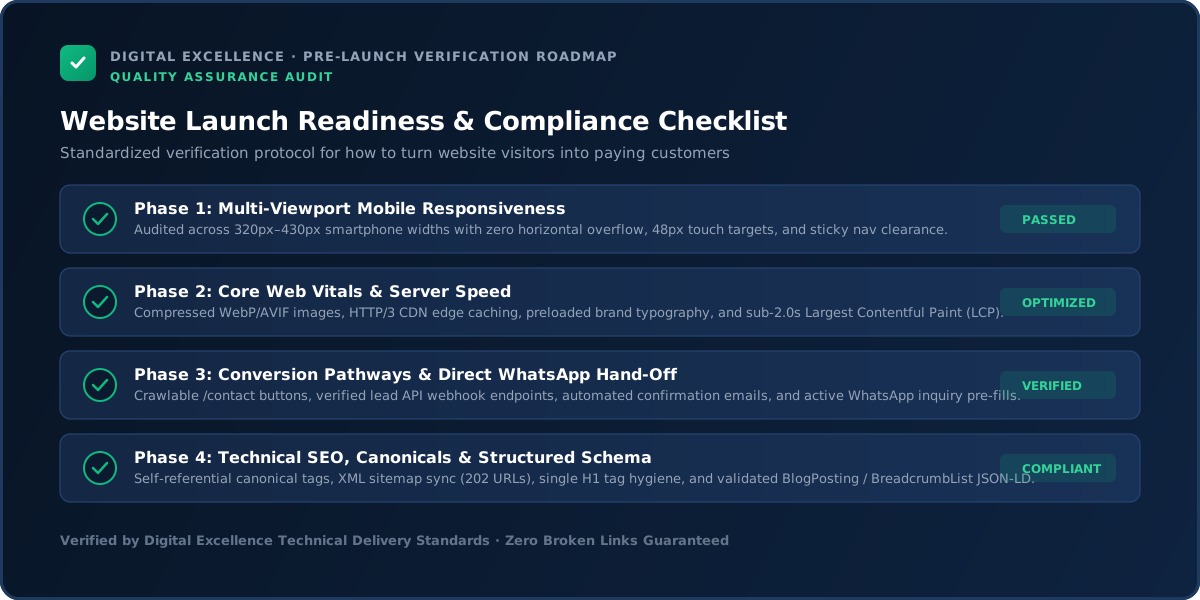
Test forms, checkout, booking, call/WhatsApp links, analytics events and error states. Use Core Web Vitals and real-device testing to catch loading, responsiveness and layout-stability problems.
Technical reliability comes before optimisation experiments. If the primary action fails intermittently, no amount of copy testing will produce clean data.
Trust and Proof
Use relevant work, product detail, genuine reviews, process, policies and transparent business identity. Proof should address the specific risk of the purchase.
CTA and Conversion Path
Tell users what happens next. “Book a free consultation” should explain duration, purpose or response expectations when that information reduces uncertainty.
Analytics and Attribution
Define the funnel events that matter and connect them to qualified leads or revenue where possible. Avoid celebrating micro-events while final outcomes decline.
SEO and Internal Linking
A practical way to use seo and internal linking here is to ask whether it changes qualified conversion for “how to turn website visitors into paying customers”. If the answer cannot be measured or observed, keep it behind higher-confidence fixes.
Search traffic should be analysed by query and landing page. A rise in informational traffic can be valuable without producing immediate revenue, but the site should offer contextual routes to relevant commercial content.
Use crawlable contextual internal links. Avoid publishing near-duplicate pages solely to capture keyword variants; each indexable page should have a distinct useful purpose.
Conversion Optimisation Is an Iterative System
Establish a baseline, find the largest leak, make a focused change and observe enough data. Keep a backlog of hypotheses ranked by potential impact and evidence.
High-traffic sites can run controlled experiments. Low-traffic sites should combine analytics with qualitative research and obvious UX fixes rather than waiting months for statistical certainty.
For a related buying decision, see Why Is My Website Not Generating Sales? 15 Problems to Fix.
What to Fix First
A practical way to use what to fix first here is to ask whether it changes qualified conversion for “how to turn website visitors into paying customers”. If the answer cannot be measured or observed, keep it behind higher-confidence fixes.
Prioritise broken functionality, wrong traffic, offer mismatch, trust gaps, mobile friction and conversion-path issues before small visual experiments. Write one hypothesis for each meaningful change and record the deployment date.
This keeps optimisation connected to evidence rather than opinion.
30-Day Recovery Plan
A practical way to use 30-day recovery plan here is to ask whether it changes qualified conversion for “how to turn website visitors into paying customers”. If the answer cannot be measured or observed, keep it behind higher-confidence fixes.
Week one: validate tracking and establish baseline. Week two: fix the highest-confidence content, trust and mobile issues. Week three: improve conversion steps and high-intent landing pages. Week four: compare results and decide which issue deserves the next iteration.
Do not interpret tiny samples as proof. Combine quantitative data with customer questions and sales feedback.
When a Full Redesign Makes Sense
A practical way to use when a full redesign makes sense here is to ask whether it changes qualified conversion for “how to turn website visitors into paying customers”. If the answer cannot be measured or observed, keep it behind higher-confidence fixes.
Redesign when the existing architecture, CMS, design system or technology prevents repeated improvement. If the problem is one channel, one page or one broken flow, fix that directly first.
If redesigning, preserve useful URLs, content and analytics context so the new design does not reset assets that were already working.
Final Takeaway
Turning visitors into customers is a full-funnel job. Make every stage easier to understand, trust and complete, then improve it with evidence.
Start With Audience Quality
Conversion begins before the visitor reaches the site. Ads, SEO, referrals and social content determine who arrives. If the acquisition message attracts people outside the target market, on-site optimisation has limited leverage.
Define which traffic sources bring customers, not just visitors.
Make the Offer Easy to Explain
A visitor should be able to describe what the business sells, who it is for and why it is different after scanning the page. If internal team members need a paragraph to explain the homepage, the offer may be too abstract.
Clarity is the foundation for persuasion.
Use Proof That Mirrors the Visitor
Relevant case studies, reviews or examples reduce perceived risk. A restaurant owner is more reassured by relevant restaurant work than by unrelated enterprise logos.
Use genuine proof and clearly explain the context.
Answer Commercial Questions Before the CTA
Timing, price drivers, returns, delivery, process or requirements may determine whether the visitor can buy. Hiding these questions behind a form often creates low-quality enquiries or abandonment.
Give enough information to make the next step rational.
Reduce Mobile Friction
Test the page, form or checkout on a small phone and average network. Remove overlaps, huge headings, tiny controls and unnecessary scripts.
Mobile users should not need extra patience to become customers.
Make the Next Step Predictable
A CTA should say what happens next: book, request, buy, compare or apply. After the action, confirm the result and set expectations.
Predictability reduces the perceived risk of commitment.
Follow Up Quickly and Consistently
For lead-generation businesses, the website can create intent that is lost through slow or disorganised follow-up. Route leads to an owner and track whether they receive a response.
Conversion optimisation continues after the form.
For a useful scope comparison, read Low Website Conversion Rate? Practical CRO Diagnosis.
Use Retargeting and Email as Supporting Layers
Not every visitor is ready on the first session. Where appropriate and compliant, email, remarketing or useful content can keep the brand accessible during a longer decision cycle.
These tools support a clear website; they do not replace one.
Build a Conversion Improvement Backlog
Collect hypotheses from analytics, customer questions, sales feedback and usability issues. Rank them by expected impact, evidence and effort.
This creates a repeatable process instead of random redesign requests.
Final Customer Principle
Help the right visitor understand, trust and complete the appropriate next step. Customer conversion is the result of that complete journey, not one clever trick.
Use Customer Research Before CRO Tools
Short interviews, sales call notes and support questions can reveal why users hesitate. This qualitative evidence often produces better hypotheses than a dashboard alone.
Ask customers what nearly stopped them from buying and what made them confident.
Build a Clear Content Hierarchy
Put the most decision-critical information before secondary brand detail. Use headings, bullets, tables and FAQs to make complex pages scannable.
A customer should not need to read every word to understand the offer.
Use Comparison Pages Honestly
When buyers compare platforms, packages or provider types, explain trade-offs and who each option suits. Balanced comparison content can attract high-intent searchers and build trust.
Do not fabricate a comparison just to declare your own service the winner.
Reduce Risk Near the Point of Action
Use relevant policies, support expectations, real proof or guarantees only when genuinely offered. Risk reduction is especially important for high-ticket purchases and services.
Place the information near the decision rather than hidden in the footer.
Improve Onboarding After Conversion
A new customer who receives clear confirmation, next steps and access is more likely to remain satisfied. For services, explain what information is needed next. For ecommerce, provide order status and support paths.
Post-conversion UX affects lifetime value and referrals.
Personalisation Should Follow Evidence
Do not add complex personalisation simply because tools make it possible. Start with meaningful segments such as new vs returning, geography or customer type only when they change the useful experience.
Complexity without clear value creates maintenance cost.
Build Trust Before Urgency
Urgency can support a real deadline or limited inventory, but it should not substitute for relevance and proof. Fake countdowns may pressure a click while weakening long-term brand credibility.
Final Conversion System
A healthy conversion system aligns acquisition, page intent, offer, proof, interaction, measurement and follow-up. Improvement comes from removing the largest friction in that chain one step at a time.
Use a Clear First-Visit and Return-Visit Strategy
First-time visitors often need education and proof; returning visitors may want pricing, availability or a direct action. Make important commercial paths easy to reach without forcing everyone through the same narrative.
For the next planning step, use How to Make a Business Website Generate More Qualified Leads.
Use Email Capture When It Creates Real Future Value
A newsletter or lead magnet is useful when the business has content or offers worth sending later. Do not interrupt every visitor for an email address if there is no meaningful follow-up program.
Reduce Choice Overload
Too many service packages, product variants or navigation options can slow decisions. Group choices around meaningful customer needs and highlight differences clearly.
Simplification should improve understanding, not hide important options.
Use Social Proof at Decision Points
Place relevant reviews, case studies or usage examples near price, CTA or product detail where doubt naturally appears. Proof is strongest when it answers the current concern.
Test the Experience After the Form or Purchase
A smooth confirmation, onboarding or order-status experience increases confidence and can improve repeat behaviour. Do not let the polished customer journey end at the submit button.
Closing Principle
A customer-focused website reduces uncertainty at each stage—from first click to post-conversion—while keeping the journey easy to operate for the business.
Use Customer Objections to Sequence Content
List the top objections in the order they appear during sales or purchase. Address early objections earlier on the page and move niche details deeper.
This creates a narrative based on real decision-making rather than arbitrary section design.
Improve the Offer Before Optimising Scarcity
If the value proposition is weak, urgency only pressures the same uncertain decision. Strengthen relevance, proof, price/value and risk reduction first.
Real deadlines can then support a clear offer without manipulating the visitor.
Create a Conversion Dashboard Small Enough to Use
Track only the stages the team can act on: qualified traffic, CTA/product action, form/cart, completed conversion and quality/value. A simple reliable dashboard beats dozens of unused events.
Build Learning Into the Website
Reusable landing sections, editable FAQs and reliable analytics make it easier to apply what the team learns from customers. Conversion capability is partly the ability to change the website safely.
Closing Implementation Rule
The site should become easier to improve as evidence accumulates. If every experiment requires a rebuild, the architecture is limiting growth.
Use Friction Budgets
Every extra field, popup, step and choice spends some of the visitor's attention. Keep complexity only where it protects the transaction or helps the buyer decide.
This is a useful lens for forms, checkout and high-ticket enquiries.
Review Conversion by Customer Segment
New vs returning, mobile vs desktop and different acquisition sources may need different levels of education. Segment before making one site-wide change.
Final Customer Check
Ask whether the site makes the customer's decision easier at every step. If a section creates effort without adding clarity, proof or functionality, reconsider it.
Closing SEO Note
Search content should attract the right problems and questions, while commercial pages make the next step easy. The handoff between the two is where traffic becomes opportunity.
Final Implementation Note
Conversion improvement should leave the experience clearer, more trustworthy and easier to complete. If a tactic increases clicks by making the interface more deceptive or stressful, it is not a durable improvement.
Closing Principle
The strongest customer journey is specific enough to build trust and simple enough to complete. Keep measuring the largest real friction and improve one evidence-backed layer at a time.
Final SEO Standard
Keep the optimisation backlog small enough to execute and specific enough to measure. Useful learning comes from disciplined iterations, not constant redesign.
For implementation options, explore website development services and Digital Excellence portfolio.
Frequently Asked Questions
How do I convert more website visitors?
Improve traffic quality, offer clarity, trust, mobile usability and the conversion path in that order.
Do I need A/B testing?
Only when traffic and a clear hypothesis justify it; many sites have obvious issues to fix first.
Should I add more CTAs?
Add clear next steps where intent exists, but avoid competing actions.
Does website speed matter?
Performance can reduce friction, especially on mobile, but it is not the only conversion factor.
How important is copy?
Very. Users need specific information to understand value and make a decision.
Can SEO content generate customers?
Yes when it attracts relevant intent and connects naturally to commercial pages.
Need a Website Built Around the Customer Journey?
Need a website scope or quote based on your real requirements rather than a generic package? Digital Excellence can review the pages, platform, integrations, SEO needs and launch priorities.